Golden Forge is an online casino slot game built around a simple promise: spin through a themed reel set, trigger bonuses, and let volatility do the heavy lifting. What separates a good session from a frustrating one is not “luck tips” – it is understanding the game’s feature set, reading payout information correctly, and choosing stakes that match the slot’s rhythm. This guide explains how Golden Forge typically plays, what to look for in the paytable, and how to manage your budget for longer, more controlled sessions.
Golden Forge: theme, layout, and what to expect
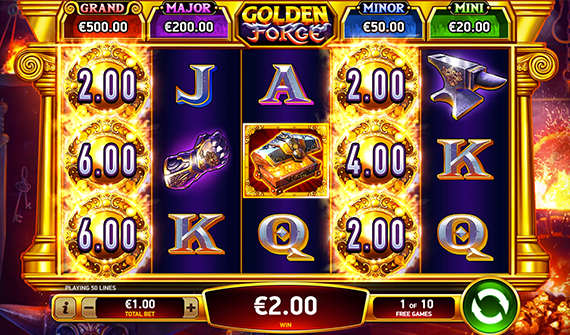
Most players judge a slot by theme first, but theme matters mainly because it signals the kind of features you might see. Golden Forge usually leans into a blacksmith or mythic workshop style: glowing metals, anvils, runes, and “crafted” symbols that suggest upgrades and multipliers. The layout is typically a familiar grid (often 5 reels), with paylines or ways-to-win depending on the version you play.
Before you bet, confirm two basics inside the game UI:
- Pay format: fixed paylines, adjustable paylines, or ways-to-win.
- Bet range: minimum and maximum coin sizes, and whether you can change volatility-relevant options (like bonus buys, if available in your jurisdiction).
Those two details affect how often you hit small wins and how quickly your balance can swing.

Key Golden Forge slot features (and how they impact your bankroll)
Features define the true cost and value of your spins. Two Golden Forge sessions at the same stake can feel completely different depending on whether you frequently trigger modifiers like wilds, multipliers, or respins. Below are common feature types you should identify in the rules panel.
Wilds, expanding wilds, and sticky wilds
Wilds substitute for most symbols to complete winning lines. A regular wild is a steady baseline feature, but expanding or sticky wilds can change volatility:
- Expanding wilds can create short bursts of medium wins by covering a reel or area.
- Sticky wilds (often in a bonus) can produce higher peaks, but may come with longer stretches of low returns while you wait for the setup.
Multipliers and “forged” upgrades
Forge-themed slots often attach multipliers to special symbols, bonus rounds, or symbol upgrades. The detail that matters is where the multiplier applies:
- Line win multiplier: multiplies the value of a single line/cluster win.
- Total win multiplier: multiplies the full spin outcome, usually stronger.
- Progressive multiplier: increases during a feature and can reset afterward.
If Golden Forge uses “crafting” or “upgrading” (for example, low symbols transforming into higher symbols), it can raise the hit value during bonuses while leaving the base game more modest. Plan your budget around that split.
Free spins, respins, and bonus-trigger rules
When players say a slot is “cold,” they often mean bonus triggers are rare. Read the trigger conditions carefully – the number of scatters, whether they must land on specific reels, and whether retriggers exist. In Golden Forge, common bonus structures include:
- Free spins with added wilds or multipliers.
- Hold-and-spin or respin style features where you collect symbols for a bigger total.
- Pick-and-click bonuses that award multipliers, spins, or upgrades.
As a practical rule, if most of the slot’s best payouts sit inside a bonus, expect higher volatility and avoid oversized bets that can drain your balance before the feature arrives.
How to evaluate RTP, volatility, and max win in Golden Forge
RTP and volatility are not marketing terms – they help you decide whether Golden Forge fits your session goal. RTP (Return to Player) is the long-run theoretical return, while volatility describes how results are distributed (many small wins vs fewer big hits). Max win tells you the upper ceiling per bet, but not how often it happens.
Where to find RTP in the game
Check the info panel or paytable. Some slots ship with multiple RTP versions (for example, different RTP settings across casinos). If you have a choice, pick the highest RTP version available – it is a straightforward edge improvement over time.
Quick comparison checklist
Note: If you do not see volatility labeled, look for clues: large max win, bonus-heavy payouts, and rare feature triggers usually indicate higher volatility.
Golden Forge betting strategy: practical, low-risk habits
No strategy changes the house edge, but you can control risk and improve decision quality. Use these habits to keep your Golden Forge session structured.
Set a session budget and a stop point
Pick two numbers before you spin:
- Stop-loss: the maximum you are comfortable losing in this session.
- Stop-win: a profit target where you end or reduce stakes.
This is especially important if Golden Forge has a feature that can deliver a big swing, because variance can tempt you into chasing.
Choose a bet size based on spin count, not feelings
A simple method is to aim for a minimum spin buffer, then back into your stake. Many players target 200-300 spins to absorb variance in medium-to-high volatility slots.
- Decide your session bankroll (for example, $60).
- Choose a spin target (for example, 250 spins).
- Bankroll ÷ spins = suggested bet (e.g., $60 ÷ 250 = $0.24 per spin).
If Golden Forge is clearly high volatility (rare bonuses, big max win), consider extending the spin target or lowering the stake.
Use autoplay carefully (or skip it)
Autoplay can be convenient, but it can also erase your awareness of time and spend. If you use it:
- Limit the number of spins.
- Enable loss limits if the casino offers them.
- Pause after any notable win to reassess stake size and goals.
Common mistakes players make in Golden Forge
These are the errors that most often lead to short, expensive sessions:
- Chasing bonuses by raising stakes after losses. Variance can cluster losses longer than expected.
- Ignoring the paytable, especially scatter rules, wild restrictions, and whether wins pay both ways.
- Assuming one “hot” session means future spins will follow. Each spin is independent.
- Mixing goals: trying to grind small wins and hunt max wins with the same stake plan.
Golden Forge rewards players who treat it like a product with rules, not a mood-based game.
FAQ about Golden Forge
What is Golden Forge in online casinos?
Golden Forge is a slot game theme and title used by online casinos, typically featuring forge-style symbols and bonus mechanics such as wilds, multipliers, and free spins. Exact rules depend on the specific version offered at your casino.
Is Golden Forge a high volatility slot?
It can be, especially if big payouts are concentrated in free spins or hold-and-spin features. Confirm volatility in the game info panel. If it is not listed, use the max win and bonus frequency as practical clues.
Where can I see the RTP for Golden Forge?
Open the paytable or information menu inside the game. Some casinos may offer different RTP configurations, so it is worth checking each site’s version before you commit to long sessions.
Can I play Golden Forge for free?
Many casinos and game providers offer a demo mode where you can test Golden Forge without risking money. Demo play is a good way to learn bonus triggers and pacing, but it does not guarantee the same feel as real-money sessions.
What’s the best way to manage a bankroll on Golden Forge?
Use a fixed session budget, pick a stake that supports 200-300 spins, and avoid increasing bets to chase a feature. If you hit your stop-loss or stop-win, end the session or step down in stakes.
Conclusion
Golden Forge can be a satisfying slot when you approach it with the right expectations: the base game provides the rhythm, and the bonus features typically supply the spikes. Read the paytable, confirm RTP, and pick a stake that matches the game’s volatility so you can stay in control long enough to experience its full feature set. If you want the most value from Golden Forge, treat bankroll management as part of the gameplay – not an afterthought.
Related posts:
![Gambino Slots: An Epic Journey into the Thrilling World of Online Gambling]()
Gambino Slots: An Epic Journey into the Thrilling World of Online Gambling
![Recycle Riches slot game reels and paytable highlighted on screen]()
Recycle Riches: A Practical Guide to the Slot Game
![Jack Potter & The Book of Teos]()
A Gambler's Review on Jack Potter & The Book of Teos Slot
![Firefly Hunter Slot Gameplay]()
Illuminate Your Wins with Firefly Hunter Slot
![A Comprehensive Guide to Gold Fish Slots: Dive into the Exciting Underwater World of Online Gambling]()
A Comprehensive Guide to Gold Fish Slots: Dive into the Exciting Underwater World of Online Gambling
![Boost Your Earnings with Cashwin App: A Comprehensive Guide to Maximizing Profits]()
Boost Your Earnings with Cashwin App: A Comprehensive Guide to Maximizing Profits
![Mega Moolah: Your Complete Guide to Casino Game]()
Mega Moolah: Everything You Need to Know On Classic Slot Game
![Dragon Pearls online slot game reels with dragon and pearl symbols on screen]()
Dragon Pearls Slot Game Guide: Features, RTP Tips, and Bonus Strategy